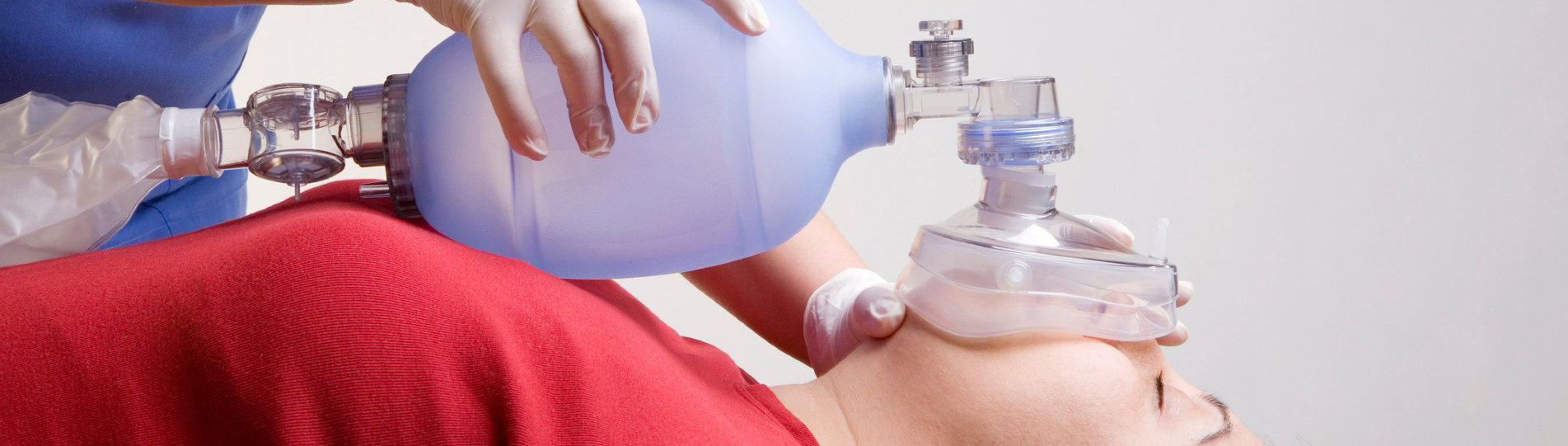
Choose PVC BVMs for cost-effective single-use stock and emergency preparedness. Choose silicone when you need a reusable, durable option for long-term or specialized use. The choice is not strictly disposable versus reusable, however: PVC also comes as a lower-cost reusable version. This PVC vs silicone bag valve mask comparison weighs both materials across performance, application fit, compliance, durability, and cost. You can then match the right bag-valve mask to your clinical setting. A silicone resuscitator suits repeated cleaning, while a budget manual resuscitator suits reserve kits. Either manual resuscitator serves your team well when the fit matches your workflow.
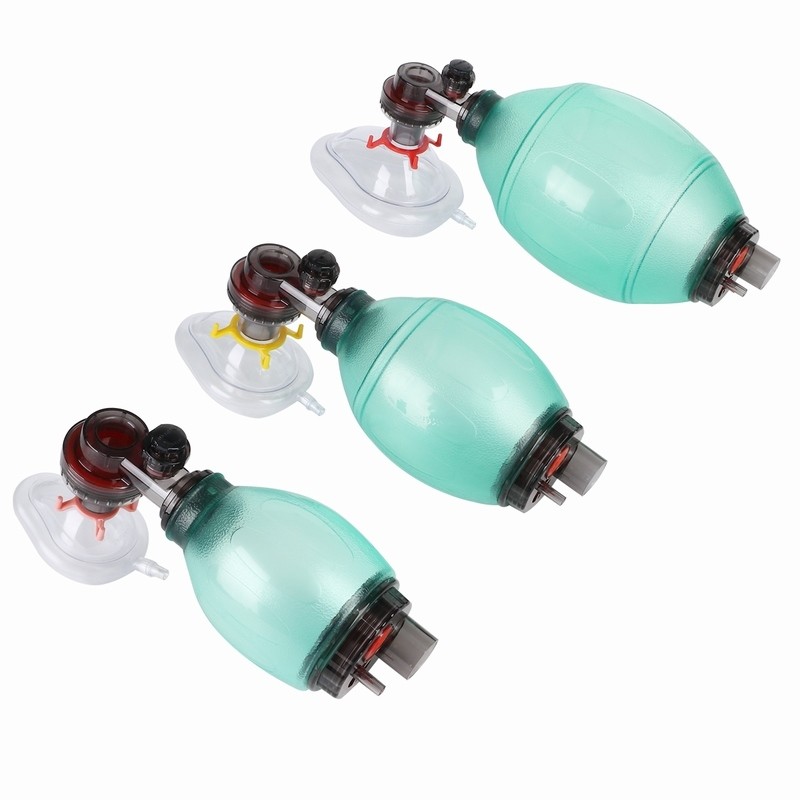
PVC bag valve masks stand out on cost and readiness. PVC is a common plastic known for low cost, durability, and ease of manufacturing, and the finished bag has a smooth surface and light weight. That profile suits single-use stock, disaster relief, and backstock held for low-frequency use, where controlling initial procurement cost is the key factor. Industry buying guides place PVC in exactly those roles: single-use to prevent cross-contamination, mass-casualty response, and reserve inventory for budgets that do not require repeated sterilization.
You should also know that PVC is not limited to one-time use. Manufacturers offer a lower-cost reusable version alongside the disposable type, so the material choice does not automatically decide the reuse question. A PVC resuscitator remains the practical pick when your priority is a low unit price and a bag that sits ready on a shelf until an emergency calls for it.
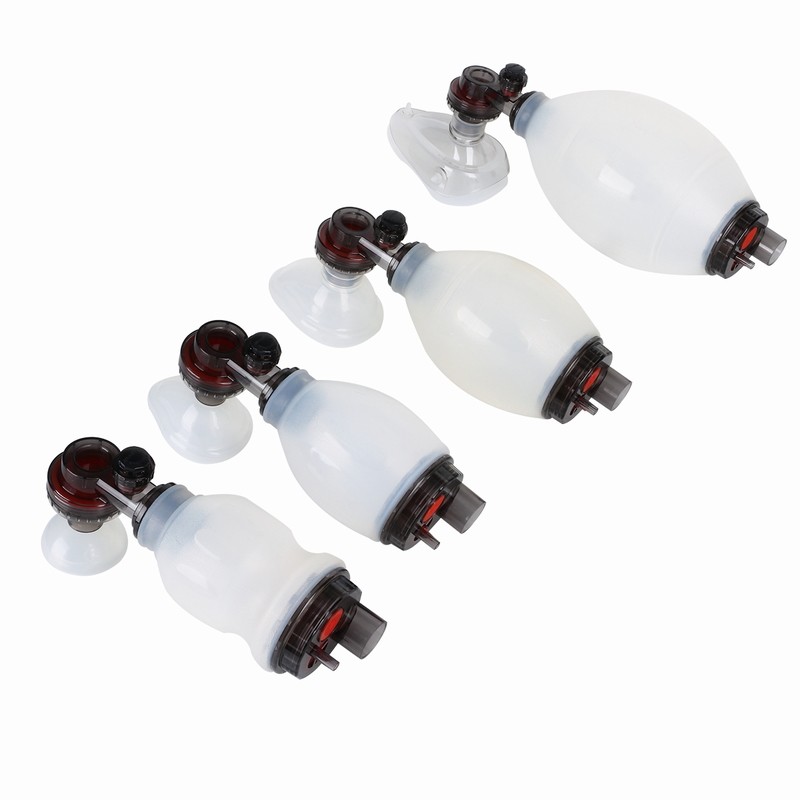
Silicone excels in patient comfort, durability, and specialized applications. Medical-grade silicone material offers excellent flexibility and biocompatibility, and it tolerates high temperatures, which makes autoclaving possible. The material also resists aging, so it does not easily yellow or harden over time. A silicone resuscitator feels softer in the hand and carries no odor, while a PVC bag has a slight smell.
These traits matter in frequent-use settings. Industry procurement guides recommend silicone for repeated sterilization in hospitals, for critical care, neonatal, and long-term ventilation patients, and for buyers who accept a higher initial investment in exchange for long life and lower long-term cost of ownership. A silicone BVM resuscitator is built for exactly this cycle of clean, store, and reuse. Silicone resuscitators can be cleaned and reused up to 20 times, and some models tolerate autoclave cycles at 134° C or disinfection in 2% glutaraldehyde with at least 20 minutes of immersion.
The table below summarizes the core contrast between the two materials.
|
Aspect |
PVC resuscitator |
Silicone resuscitator |
|---|---|---|
|
Odor |
Slight smell |
Odorless |
|
Handfeel |
Adequate for short-term use |
Softer, better handfeel |
|
Service life |
Single use, or lower-cost reusable version |
Reusable, up to 20 cleaning cycles |
|
Sterilization |
Limited |
Autoclave at 134° C, or 2% glutaraldehyde for at least 20 minutes |
|
Price |
Lower upfront |
Higher upfront, economical over time with reuse |
The short answer: a PVC bag valve mask wins on budget and emergency readiness, and a silicone manual resuscitator bag wins on comfort, longevity, and repeated reprocessing. Neither material is the better manual resuscitator in every setting. Your use frequency and sterilization capacity decide which one earns the space in your kit.
Grip and squeeze control decide how smoothly you deliver each breath. A PVC resuscitator bag feels firmer in the hand and returns to shape quickly after compression. That firmness gives you a crisp squeeze and a clear sense of how much volume you push. A silicone resuscitator feature works the opposite way: the material feels softer and more pliable, so your hand meets less resistance on each compression. Neither feel is wrong. Short procedures favor the predictable rebound of a PVC resuscitator, while longer ventilation sessions favor the gentler squeeze of silicone.
Odor is the other sensory difference. A PVC resuscitator carries a slight plastic smell when new, and that smell fades with airing. Silicone stays odorless from the first use. Material hardness also shapes the function of a manual resuscitator. A harder bag gives you tactile feedback for volume control, and a softer bag reduces hand fatigue during extended use. Test both materials in your own hands before you commit to a large order.
Patient comfort depends on the mask seal and the pressure you apply. Silicone excels here. The soft material conforms to facial contours and holds a seal with less downward force, which matters for infant and neonatal patients with delicate skin. The same flexibility helps on adult faces with irregular shapes. A silicone resuscitator also stays supple across repeated cleaning cycles, so the seal quality holds up over time.
PVC performs adequately for short-term use. A PVC resuscitator bag delivers reliable ventilation during emergencies, transport, and single-use scenarios. The material feels stiffer against the face, and you may need slightly more pressure to maintain a seal. For a bag-valve mask kept in a crash cart or disaster kit, that trade-off rarely matters. Match the material to the patient group and the duration of use, and both options serve you well.
Your workflow decides the material more often than the price tag does. Choose a pvc disposable manual resuscitator for emergency readiness and infection-control protocols. A sealed unit goes straight from the shelf to the patient and then to waste, so no reprocessing step sits between uses. That pattern fits crash carts, ambulance stock, and mass-casualty reserves.
Choose a silicone reusable manual resuscitator when your facility runs a validated cleaning and sterilization cycle. A silicone resuscitation bag tolerates repeated reprocessing, so high-volume departments spread the purchase price across many uses. Stock both types if your team handles mixed scenarios. Keep disposable manual resuscitator units for field kits and a reusable manual resuscitator for the ICU.
Every bag valve mask comes in three patient sizes, and the size must match the patient. Manufacturers label their models by patient weight: adult above 20 kg, child at 10–20 kg, and infant at 2.5–12 kg. Instructions for use warn that the wrong size can result in inadequate or excessive air pressure being delivered to the patient, and the delivered tidal volume scales with the model.
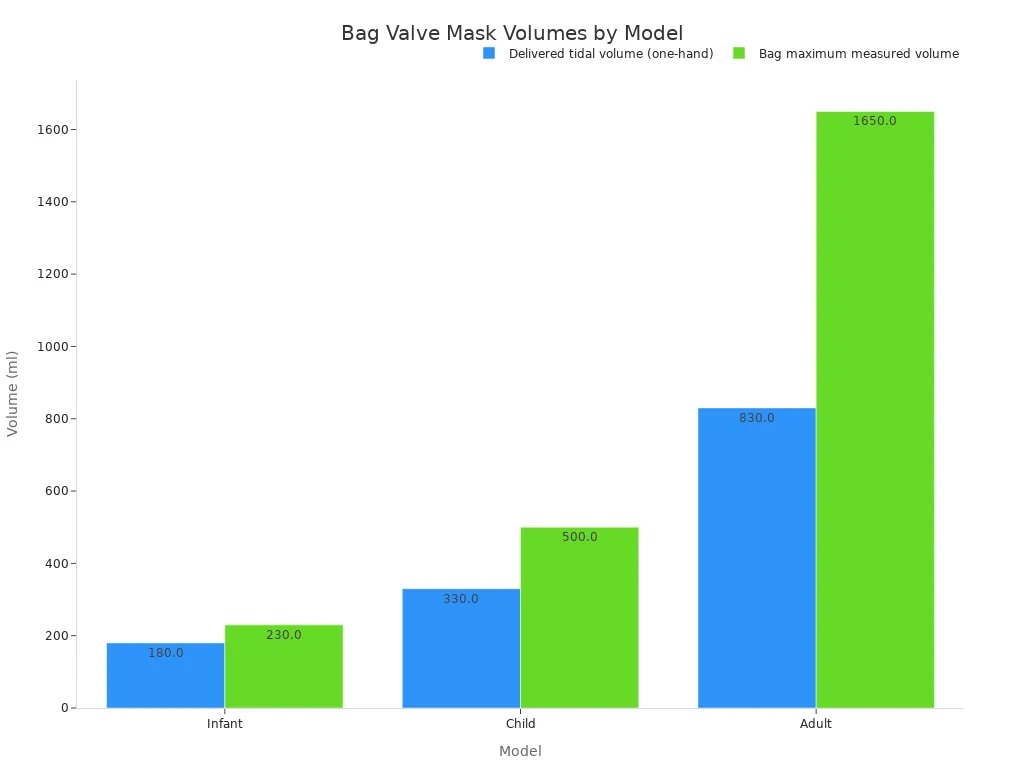
Child and infant models from most manufacturers carry a pressure relief valve set at 35 ± 5 cmH2O, and compliant units are tested to ISO 10651-4 and equivalent standards. Treat those figures as one example of how specifications are stated, because brands publish their own weight bands and volumes. Read the instructions for the unit you buy.
Tianzuo Medical supplies both PVC bag valve masks (BVMs) and silicone BVM resuscitator models across infant, child, and adult sizes, and the company offers samples on request. Request a sample in each size your team stocks, then confirm the tidal volume and relief valve setting against your protocol before you place a bulk order.
Each material tolerates a different level of reprocessing. A silicone resuscitator handles the full cycle of cleaning, disinfection, and sterilization. A published clinical protocol for silicone bag valve masks describes the steps in detail. You disassemble and rinse the parts under cold running water, then submerge them in water with dish washing detergent at 60–70°C and scrub with a brush. For chemical disinfection, the same protocol lists a 0.55% ortho-phthalaldehyde (OPA) solution for 60 minutes or sodium hypochlorite 0.5% solution for 20 minutes. Autoclaving also works.
|
Method |
Details |
|---|---|
|
Cleaning |
Disassemble and rinse under cold running water; submerge in detergent water at 60–70°C and brush |
|
Chemical disinfection |
0.55% OPA solution for 60 minutes, or sodium hypochlorite 0.5% solution for 20 minutes |
|
Sterilization |
Autoclave or chemical disinfection per the manufacturer's recommendation |
A pvc manual resuscitator does not accept this routine. Heat and repeated chemical exposure degrade the material, so you reserve PVC for single use or a limited number of reuse cycles. Follow proper cleaning and disinfection procedures for any reusable resuscitator, and confirm the method against the maker's instructions before you reprocess.
Procurement review needs paper, not assurances. Ask every supplier for the compliance file behind the bvm you plan to buy. That file should state the cleaning and sterilization methods the unit supports, the standards it was tested to, and the shelf life for sterile stock. A reusable manual resuscitator also needs a documented reprocessing cycle, so your infection-control team can validate it.
Tianzuo Medical provides compliance documentation to support procurement review. Request the file with your sample order, then route it to your quality and infection-control reviewers. A complete document set shortens the approval path for any manual resuscitator, whether you stock silicone or PVC.
Service life separates the two materials more than any other factor. A silicone resuscitator resists aging, so it does not easily yellow or harden over time, and it holds its rebound across repeated cleaning cycles. You can store it for long periods without the bag stiffening on the shelf. A pvc resuscitator serves you well for a single use or a limited number of reuse cycles, then the material shows wear at the seams and valve seat. Inspect every reusable manual resuscitator before each shift and retire any unit with cracks, tackiness, or a slow refill.
Storage conditions affect both materials. Keep units away from direct sunlight, sharp edges, and heavy compression, and follow the shelf-life statement on the label. Reusable resuscitators need dry, dust-free storage after reprocessing. Disposable stock needs a sealed package until the moment of use.
Manufacturers build each resuscitation bag through a molding route matched to the material. Silicone resuscitators come from compression molding or liquid silicone rubber injection molding.
|
Method |
Process |
Strength |
|---|---|---|
|
Compression molding (silicone) |
Solid milled compound fills a heated mold cavity and vulcanizes under pressure |
High density and tear resistance for thick walls |
|
LSR injection molding (silicone) |
Two-component liquid silicone mixes and injects into a cooled mold |
High precision, no flash, cleanroom-friendly |
A compliant bvm should be built under a documented quality management system and verified against ISO 10651-4. Tianzuo Medical applies comparable controls: in-line leak checks, dimensional verification of connectors, and a functional refill test on finished units before ethylene oxide sterilization.
You pay less at the counter for a PVC unit. A disposable manual resuscitator carries a low sticker price, and that price drives most purchasing decisions in budget-constrained settings. A PVC bag valve mask fits that pattern well. You buy it, you stock it, and you avoid any capital tied up in reprocessing equipment.
A silicone resuscitator costs more per unit. You pay a premium for the material, the molding route, and the longer service life built into the design. That higher entry price can look steep against a single disposable unit. Compare the two on price alone, and PVC wins every time. Compare them across a year of use, and the picture changes.
Reuse shifts the math. Reusable bags become economically favorable once annual usage passes a threshold. That threshold depends on the reusable bag price, sterilization cost, average cycle count, and the disposable unit cost plus disposal fee. Large hospitals and high-turnover operating rooms cross that line sooner. A full cost model must also include procurement, storage, transport, disinfection or disposal, and manpower management expenses.
Supply chain factors add another layer. Recent market analyses point to raw material volatility, import tariffs, and port delays as forces that affect lead times and total cost of ownership for any bvm. Weigh your annual volume, your sterilization capacity, and your storage costs before you choose between a pvc & silicone manual resuscitator. Where reuse is practical, silicone delivers the stronger long-term value. Where it is not, PVC keeps your budget predictable.
The table below puts the two materials side by side on the factors that decide most purchases.
|
Factor |
PVC |
Silicone |
|---|---|---|
|
Material |
Low-cost plastic, smooth and lightweight |
Medical-grade, flexible and biocompatible |
|
Best use case |
Single-use stock, crash carts, disaster reserves |
Repeated cleaning, critical care, neonatal use |
|
Sterilization |
Limited; single use or a few reuse cycles |
Autoclave at 134° C, or 2% glutaraldehyde for at least 20 minutes |
|
Durability |
Adequate for short-term use |
Resists aging; holds up across repeated cycles |
|
Cost |
Lower upfront price |
Higher upfront, stronger long-term value with reuse |
Your choice should follow your use pattern. For single-use emergency kits, stock PVC bag valve masks (BVMs) in infant, child, and adult sizes. A sealed unit moves from shelf to patient with no reprocessing step, and your budget stays predictable. For high-volume reuse settings, such as an ICU or a busy operating room, a silicone BVM resuscitator earns its higher price across many cleaning cycles. For specialized applications, including neonatal and long-term ventilation care, the softer mask seal and odorless material of a silicone unit serve delicate patients well.
Run one final check before you order. Confirm that your sterilization capacity matches the material you pick. A reusable resuscitator only pays off when your team can validate and run the cleaning cycle. A disposable resuscitator only pays off when your storage and restocking workflow keeps fresh units on hand. Weigh your annual volume, your reprocessing equipment, and your budget structure together. The pvc vs silicone bag valve mask decision then becomes a simple match between material and workflow, not a guess.
Tianzuo Medical supplies both material options across all three patient sizes and provides compliance documentation for procurement review. Contact the team for specifications, sizing details, and sample requests. Test a sample bag valve mask in each size your team stocks, and let your own hands and your own protocol confirm the right fit. A well-matched manual resuscitator supports every breath your team delivers, and the right material choice keeps that support reliable for years.
The pvc vs silicone bag valve mask trade-off comes down to priorities. PVC wins on upfront cost and emergency readiness. Silicone wins on comfort, durability, and long-term value where reuse is practical.
Match your choice to three factors: how often you use the device, your sterilization capacity, and your budget structure. Do not default to one material out of habit. A disposable manual resuscitator suits reserve stock, and a reusable resuscitator suits a validated reprocessing cycle. Either manual resuscitator performs well when the fit is right.
Contact Tianzuo Medical for specifications, sizing options, and sample requests. Test a sample bvm in each size your team stocks before you commit.
Yes, but only in a limited way. Manufacturers offer a lower-cost reusable PVC version alongside the disposable type. Heat and repeated chemical exposure degrade the material over time. Inspect the unit before each use and retire any bag with cracks or a slow refill.
Plan for up to 20 cleaning cycles on many models. Some units tolerate autoclave cycles at 134° C or disinfection in 2% glutaraldehyde with at least 20 minutes of immersion. Always confirm the cycle count against the maker's instructions before you reprocess.
Stock all three patient sizes: infant, child, and adult. Match the size to the patient's weight band, because the wrong size can deliver inadequate or excessive pressure. Request a sample in each size your team stocks and check tidal volume against your protocol.
Yes. Your quality and infection-control reviewers need a documented reprocessing cycle and the standards the unit was tested to, such as ISO 10651-4. Request the compliance file with your sample order. A complete document set shortens approval for any manual resuscitator.
Where reuse is practical, yes. A silicone unit spreads its higher upfront price across many cleaning cycles and holds its seal over time. For reserve kits and low-frequency use, a PVC unit keeps your budget predictable. Weigh annual volume and sterilization capacity before you decide.

 شبكة IPv6 مدعومة


 العربية
 English
 فارسی
 français
 Deutsch
 русский
 italiano
 español
 português
 Türkçe